Greek Festivals: A Celebration of Culture, Traditions, and Fun
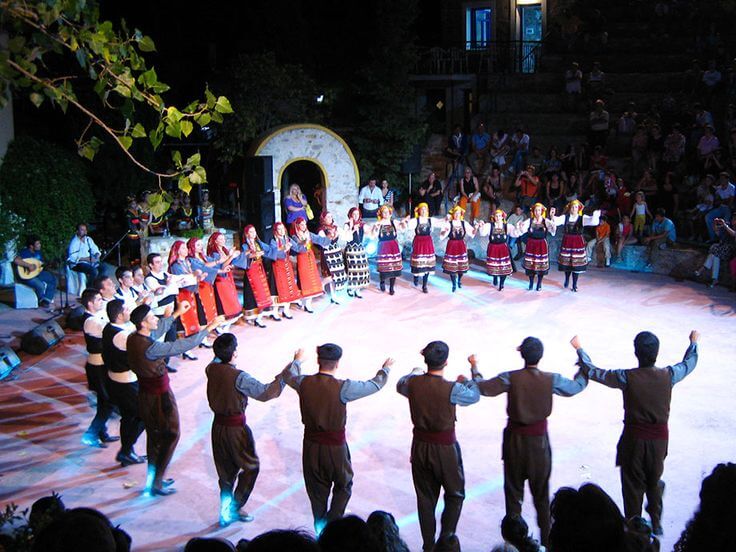
Greece is a country rich in history, culture, and tradition, and its festivals are a vibrant reflection of that. From ancient celebrations tied to mythology to modern festivals celebrating music, art, and food, Greek festivals offer a unique and immersive experience for visitors. Whether you’re in Athens, the islands, or the mainland, there’s always a festival to enjoy, and they’re a great way to experience the local culture. Here’s a guide to some of the most famous and exciting festivals in Greece.
1. Athens and Epidaurus Festival (June – August)
One of Greece’s most prestigious cultural events, the Athens and Epidaurus Festival is held every summer and features a wide range of performances, including theater, dance, and music. The festival celebrates both ancient and contemporary arts, with performances taking place in iconic venues such as the Epidaurus Theatre, a UNESCO World Heritage Site known for its perfect acoustics. In Athens, venues like the Herod Atticus Odeon host some of the world’s most renowned artists and performers. This festival is an incredible opportunity to experience the ancient Greek theater and world-class performances in a breathtaking setting.
2. Carnival (Apokries) (February – March)
Carnival in Greece, known as Apokries, is one of the liveliest festivals in the country. Traditionally a celebration before Lent, Apokries is a time for colorful parades, costumes, and a lot of dancing. Each region of Greece celebrates with its own unique traditions, but the carnival in Patras is the most famous, featuring a huge parade with elaborate floats, music, and street parties. In Athens, you can join in the fun with mask parties, street performances, and events throughout the city. Apokries is a time of joy and exuberance, where people of all ages come together to celebrate before the solemnity of Lent.
3. Easter (March – April)
Easter is the most important religious holiday in Greece, and it is celebrated with great fervor and many unique customs. The most iconic tradition is the midnight church service, where people attend a midnight mass and then celebrate with fireworks and family gatherings. Holy Week, leading up to Easter Sunday, is marked by various processions, such as the Resurrection Service and the procession of the Epitaphios (the icon of Christ’s body). On Easter Sunday, many Greek families celebrate with a feast that includes lamb, traditional Easter bread (tsoureki), and colored eggs. The atmosphere is festive, and visiting a Greek island or village during Easter is a great way to experience the traditions up close.
4. Sani Festival (July – August)
Held in Halkidiki, the Sani Festival is a premier music and arts festival that attracts both local and international performers. The festival spans several weeks in the summer and features concerts by world-class artists, theater productions, visual art exhibitions, and dance performances. Set in the beautiful surroundings of the Sani Resort, the festival has become a celebrated event for culture and music lovers. It’s a great place to enjoy live performances and immerse yourself in Greece’s vibrant artistic scene.
5. The Feast of Panagia (August 15)
The Feast of Panagia, celebrated on August 15, is a major religious holiday in Greece, dedicated to the Virgin Mary, who is considered the protector of the country. This holiday is marked by large religious processions, with the most impressive ones taking place on the islands. On Tinos, the Virgin Mary’s most revered church is located, and thousands of pilgrims from all over Greece travel there to offer their respects. On this day, many Greek families also gather for festive meals and celebrations.
6. Ochi Day (October 28)
Ochi Day (pronounced “Ohee”), held on October 28, is a national holiday in Greece commemorating the day in 1940 when the Greek Prime Minister, Ioannis Metaxas, refused the ultimatum of the Italian ambassador during World War II. This defiant “Ochi” (meaning “No”) led to Greece entering the war on the side of the Allies. The day is marked by patriotic parades, military displays, and celebrations of Greek pride and resilience. It is one of the most significant national holidays in the country, with parades held in every major city, including Athens, Thessaloniki, and smaller towns and villages.
7. The Panathenaic Festival (Every Four Years)
The Panathenaic Festival is one of the oldest and most important festivals in Athens, dedicated to the goddess Athena, the patron of the city. It was originally a religious event held every four years in honor of the goddess and included athletic competitions, musical performances, and cultural events. Though the original festival no longer exists, modern-day versions of the Panathenaic Festival are celebrated every four years with reenactments of ancient athletic games, cultural performances, and a grand procession. It’s a great way to experience ancient Athenian culture and traditions, particularly during the Athens and Epidaurus Festival.
8. Mykonos Pride (June)
Mykonos Pride is a modern and inclusive festival that celebrates the LGBTQ+ community and its rich history in Greece. Held every June, this event transforms the island into a colorful hub of festivities, including parades, beach parties, cultural performances, and club events. Mykonos, known for its open-minded and accepting atmosphere, is the perfect setting for this celebration of love, equality, and diversity.
9. Rembetiko Festival (Varies)
For music lovers, the Rembetiko Festival is a must-see. Rembetiko is a genre of Greek urban folk music that originated in the early 20th century. The festival, which takes place in various cities around Greece, especially in Athens and Thessaloniki, celebrates this unique musical style with performances from Rembetiko musicians, workshops, and cultural events. The festival highlights the history and evolution of Rembetiko, which blends Greek, Turkish, and Middle Eastern influences.
10. Wine Festivals (Various Dates)
Greece has a long tradition of winemaking, and every year there are wine festivals across the country, celebrating the harvest and the best of Greek wine. The Nemea Wine Festival, held in the region of Nemea in the Peloponnese, is one of the largest wine festivals in the country and offers visitors the chance to taste some of Greece’s finest wines. Other notable wine festivals take place on the islands of Santorini, Crete, and Rhodes. These festivals are a great way to enjoy Greek wines, local food, and a festive atmosphere.
11. The International Film Festival of Thessaloniki (November)
For film lovers, the Thessaloniki International Film Festival is one of the most important cultural events in Greece. Held annually in November, this festival showcases a selection of contemporary films from around the world, focusing on emerging filmmakers and new trends in cinema. The festival features screenings, awards, and workshops, attracting filmmakers, critics, and film enthusiasts from all over the globe.
Tips for Enjoying Greek Festivals:
- Book Early: Many of Greece’s popular festivals, especially the larger ones, can get crowded, so it’s a good idea to book your accommodation and tickets well in advance.
- Respect Traditions: If you’re attending religious or cultural festivals, make sure to show respect for local customs and dress appropriately.
- Enjoy the Local Cuisine: Festivals are a great opportunity to try regional food, so be sure to sample local specialties and delicacies.
- Stay Hydrated: Greece’s summers can be hot, so always carry water with you, especially during outdoor festivals.
Conclusion
Greek festivals are an unforgettable way to experience the country’s rich cultural heritage, its love for music, art, and tradition, and the warmth of Greek hospitality. Whether you’re watching a live theater performance, enjoying a wine-tasting event, or joining in the fun at a local carnival, the festivals of Greece offer a truly unique and immersive experience. So, whether you’re planning to visit in the summer or during the off-season, there’s always a festival in Greece worth experiencing!